AI Humanizer for Blogs: How to Keep AI Drafts From Sounding Generic Learn how to use an AI humanizer for blogs without flattening your voice. Focus on stronger hooks, sharper examples, cleaner pacing, and less filler.
How to Reduce Email Bounce Rate Fast: A 7-Step Recovery Plan A practical 7-step plan to lower email bounce rate, clean up list quality, and protect sender reputation before things get worse.
Bypassing Turnitin AI Detection: A Student's Survival Guide Turnitin can flag clean writing, messy writing, and AI-assisted writing in ways that are not always easy to predict. This guide explains how the detection problem works.
AI Humanizer vs. Paraphrasing Tool: What's the Difference? AI humanizer vs. paraphrasing tool, what actually changes? Learn how they differ in tone, context, detection, and when each one makes sense.
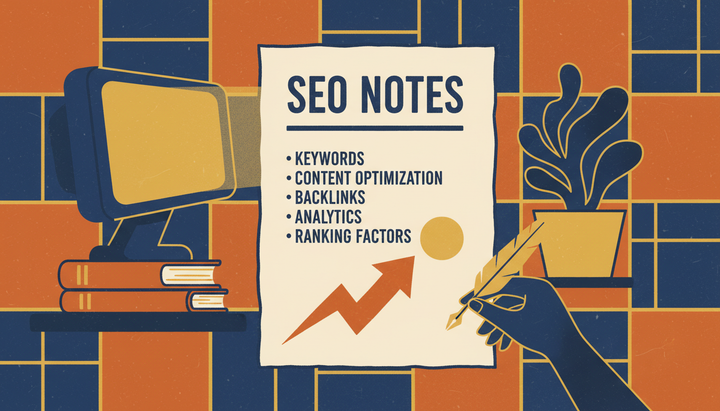
AI Humanizer for SEO: How to Make AI Content Read Better and Rank Better AI humanizer for SEO explained in plain language. Learn how humanized SEO content can improve readability, keep voice consistent, and support search intent without sounding generic.
AI Detector False Positives: What Writers Need to Know AI detector false positives are more common than many writers expect. Learn why human writing gets flagged as AI, what triggers it, and how to reduce the risk.
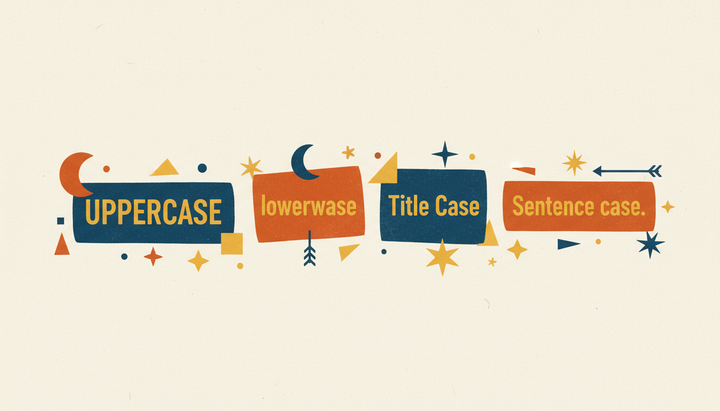
CamelCase vs PascalCase vs snake_case vs kebab-case: A Clear Guide for Marketers and Developers Understand camelCase, PascalCase, snake_case, and kebab-case, including where each naming style fits for developers, marketers, and content teams.